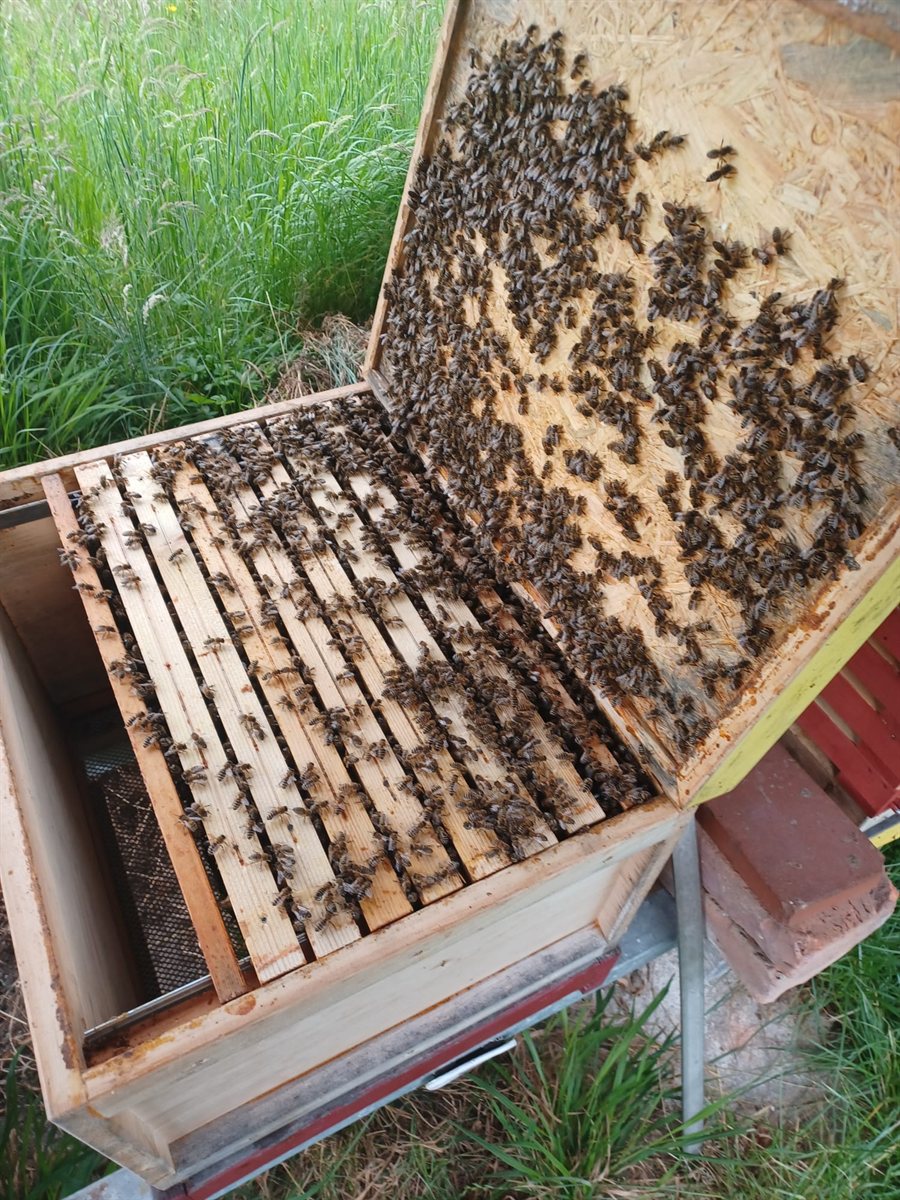
Beekeeping
Imkerei Linnerer — honey from the Bavarian Inn Valley
Found a swarm of bees? Please report it right away!
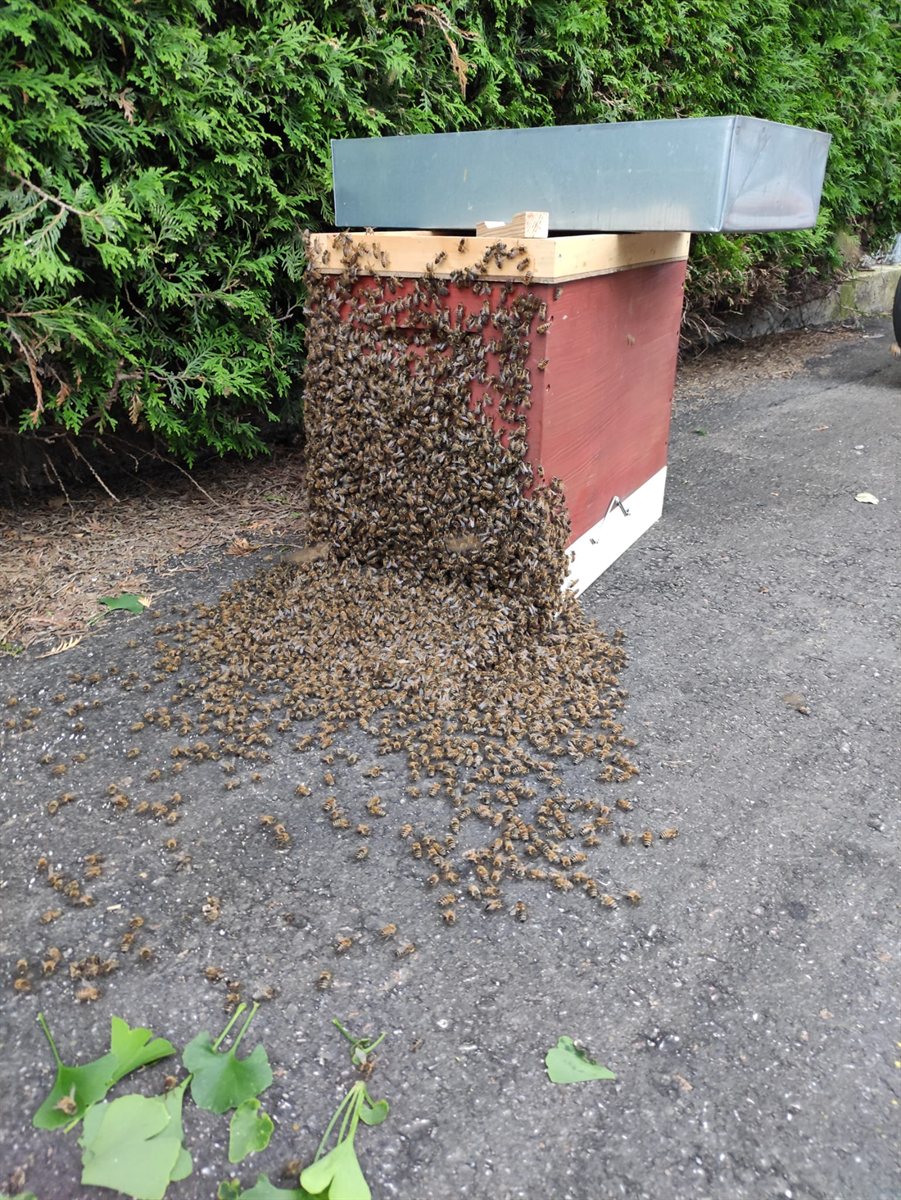
Is a dense cluster of bees hanging somewhere — on a branch, fence, roller shutter or house wall? That is a swarm of bees, and it needs help. I will collect it free of charge and give it a new home.
Don't worry: bees in a swarm are well fed and peaceful. Please don't disturb them, don't spray them with water or anything else — just keep your distance and call me.
Beekeeping out of passion
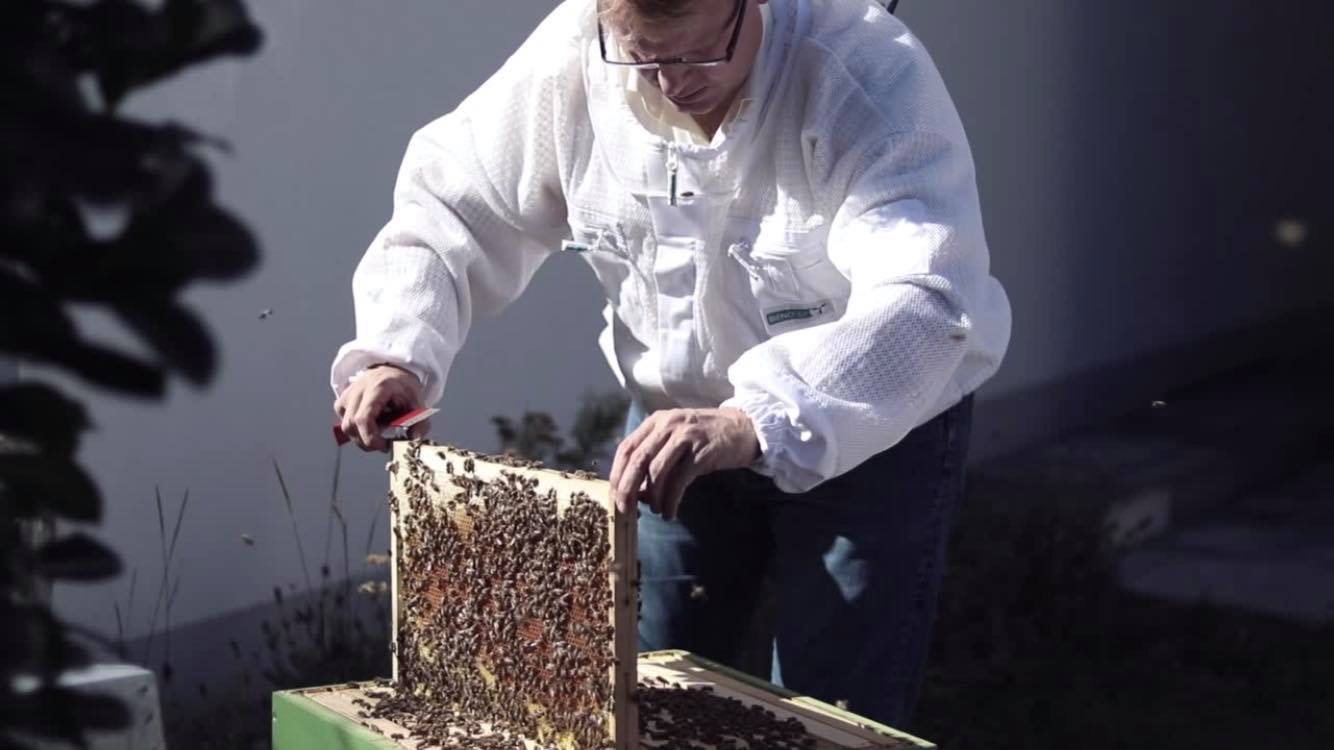
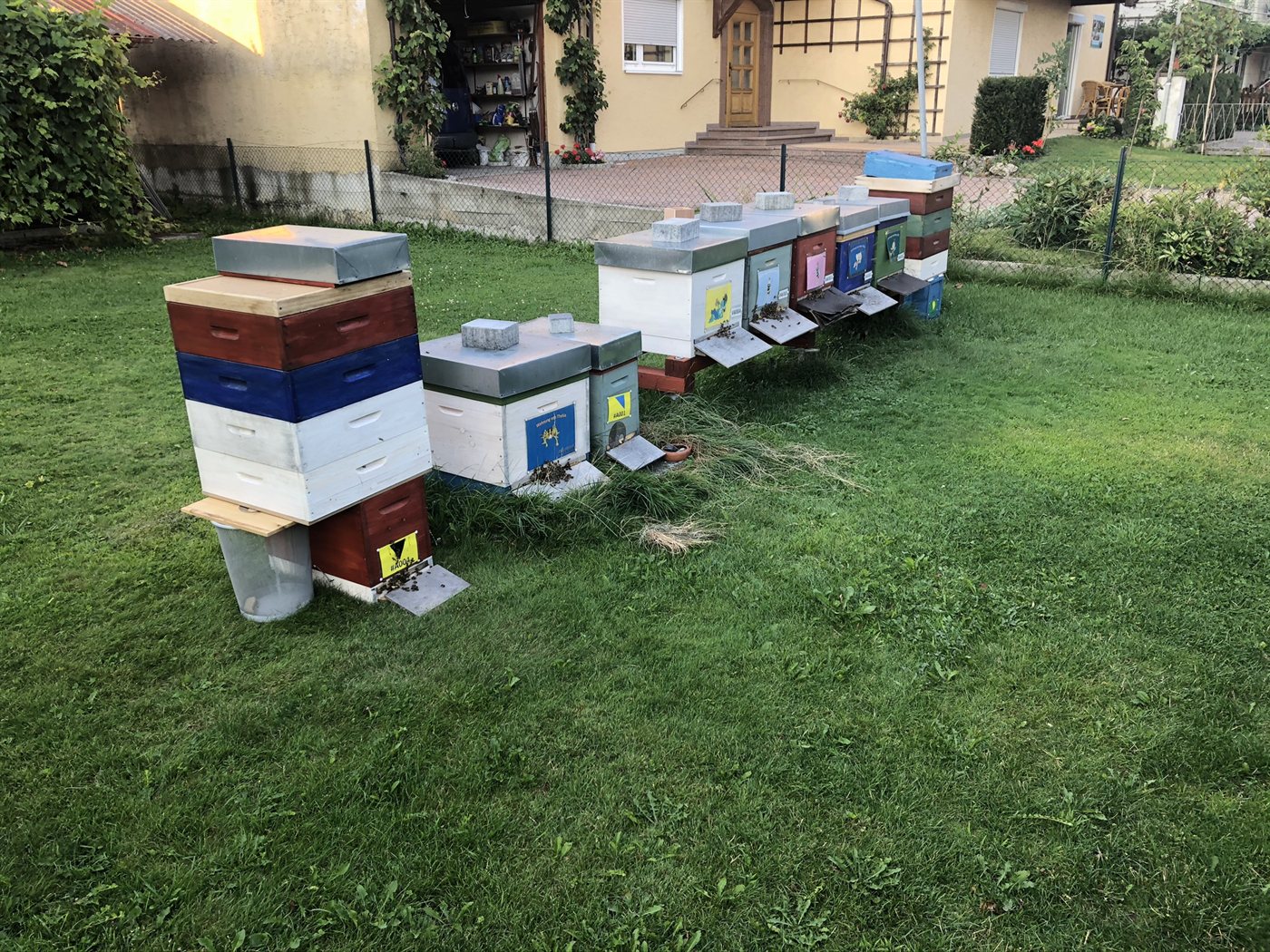
I have kept bees since 2018 — what began as a hobby with two colonies in the garden at home has long since become a real passion. Today my bees stand at a quiet forest site with their own bee house, in the middle of the nature of the Bavarian Inn Valley.
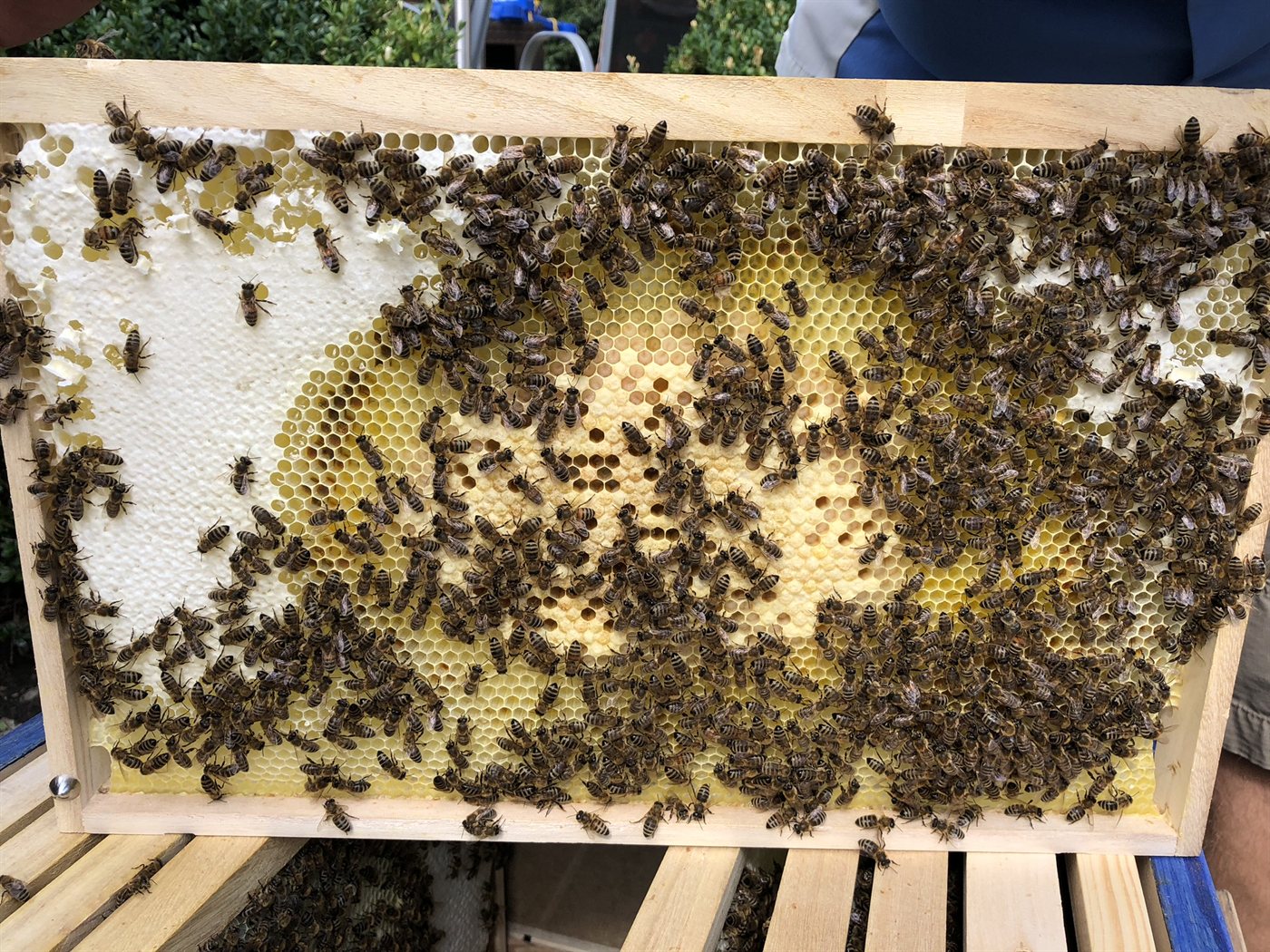
Depending on the year I look after 8 to 12 colonies. Some years I focus on multiplication and breeding, others on the honey harvest — as nature and the bees dictate. It is exactly this closeness to the rhythm of the seasons that makes beekeeping so valuable to me.
Honey from the Bavarian Inn Valley
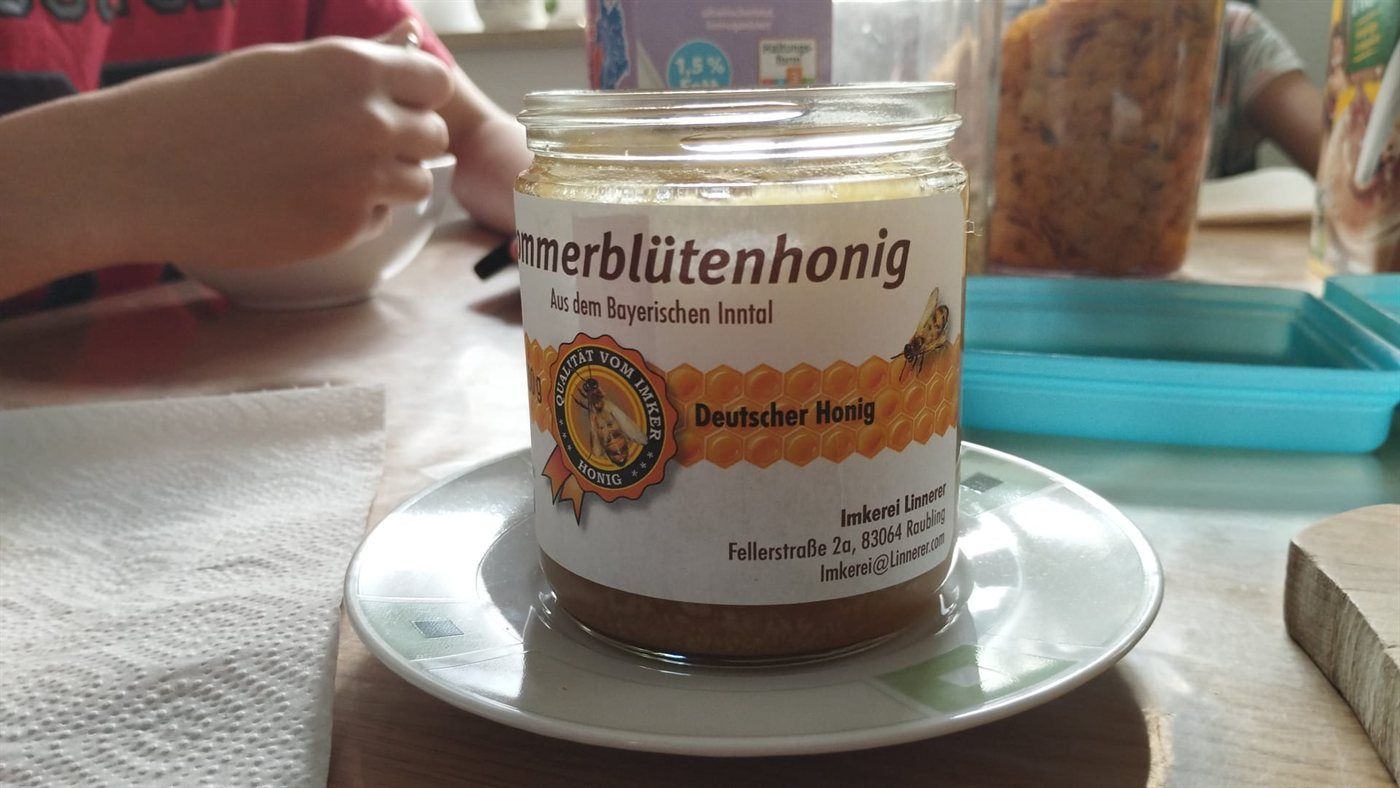
My honey grows where I live: around Raubling in the Bavarian Inn Valley. It is harvested, spun and filled by hand — honest quality straight from the beekeeper, with no long journeys.
It is sold exclusively through direct sales. As foraging conditions and the number of my colonies vary from year to year, I unfortunately cannot guarantee to have honey in stock all year round. As long as supplies last I am happy to sell it — I ask for your understanding if it is sold out.
Queen rearing — my centrepiece
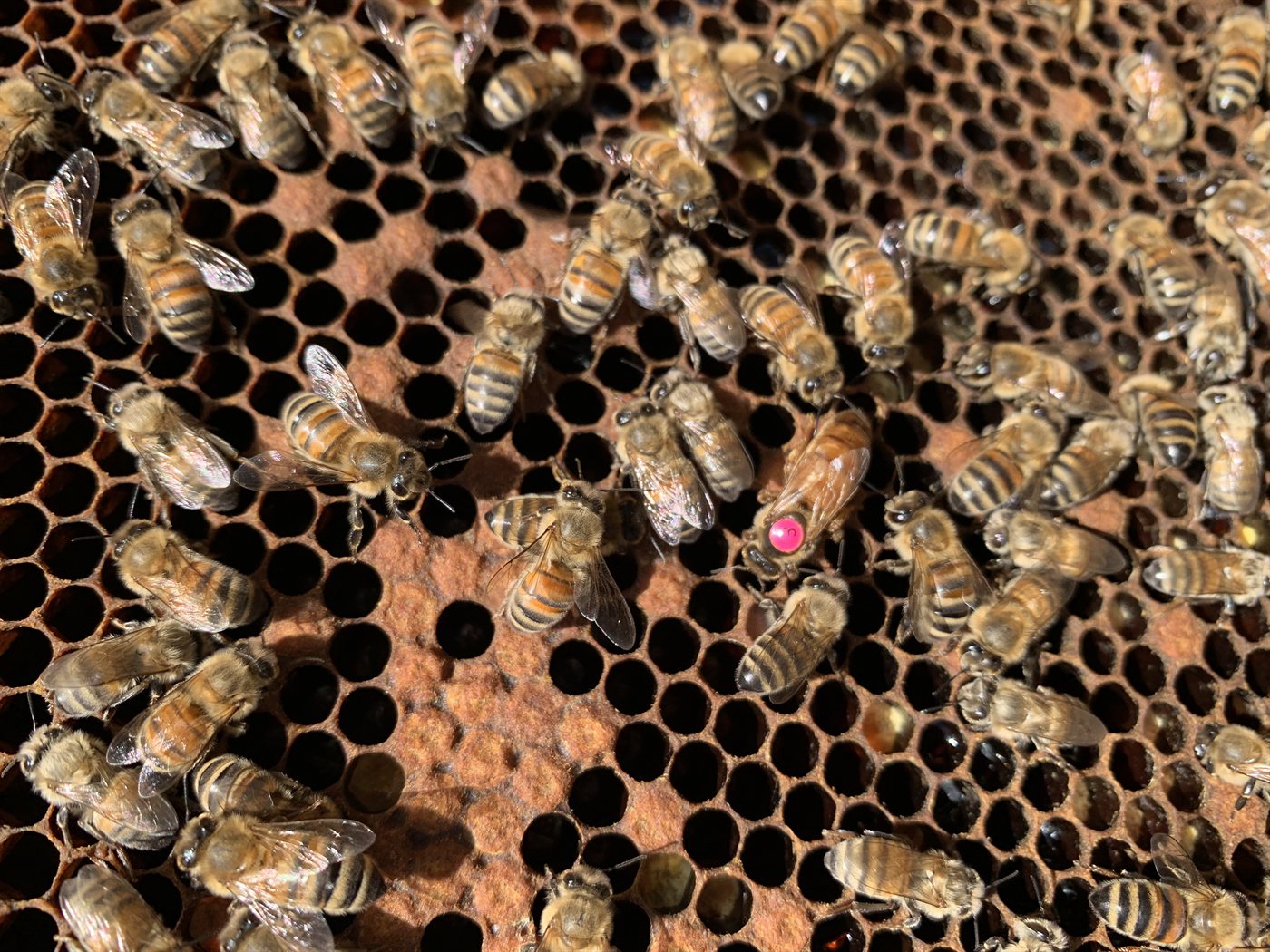
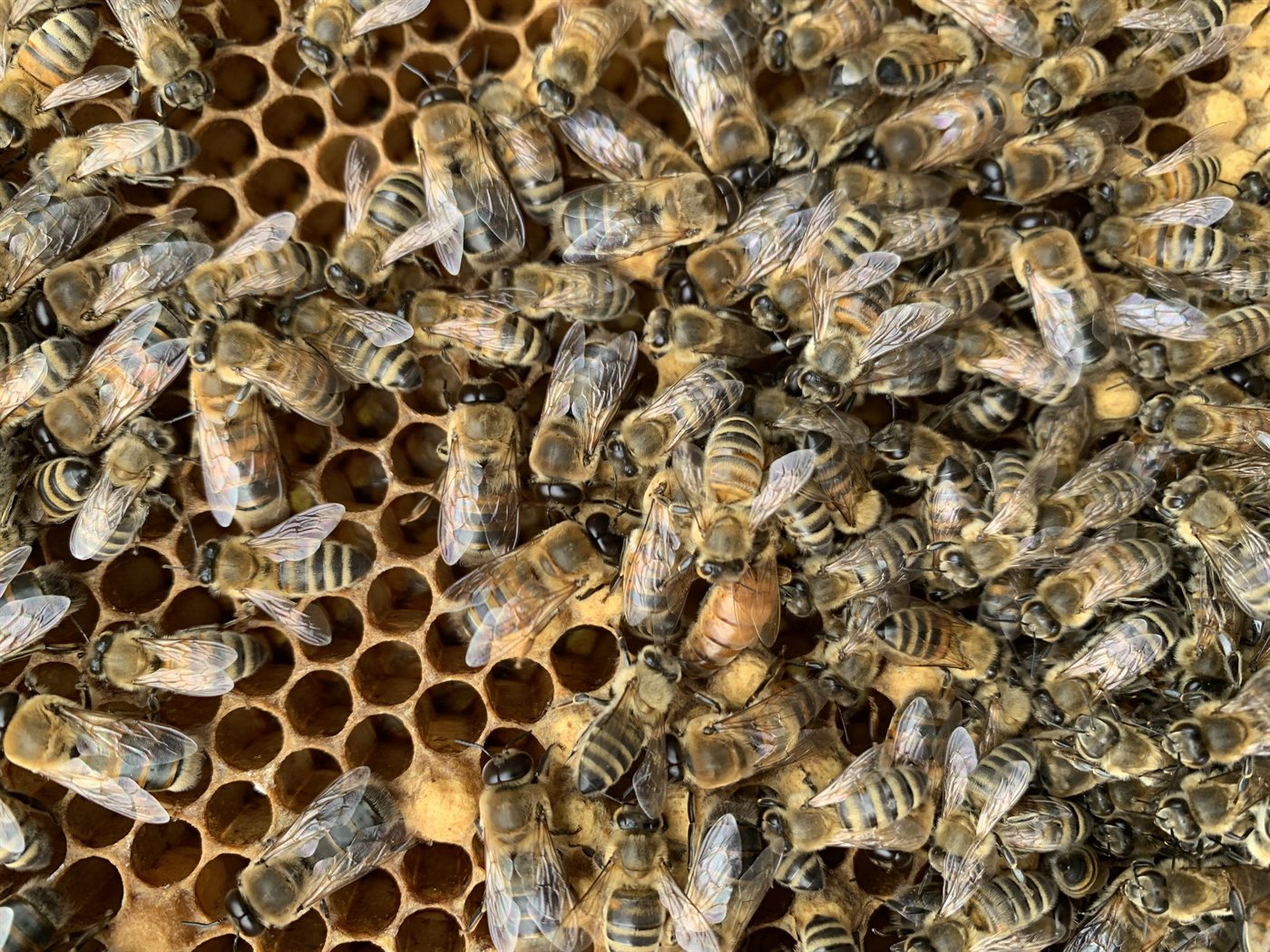
What fascinates me most is rearing queen bees. I work with two breeds — the gentle Carniolan (Carnica) and the high-performing Buckfast — and keep bees on Dadant US. I raise my young queens in Mini-Plus hives until they are ready to lead a colony of their own.
Carnica & Buckfast
Two proven breeds — gentle, vital and with good honey yield.
Dadant US
My hive system — a proven standard for healthy, strong colonies.
Mini-Plus rearing
I raise my queens in compact mating nuclei.
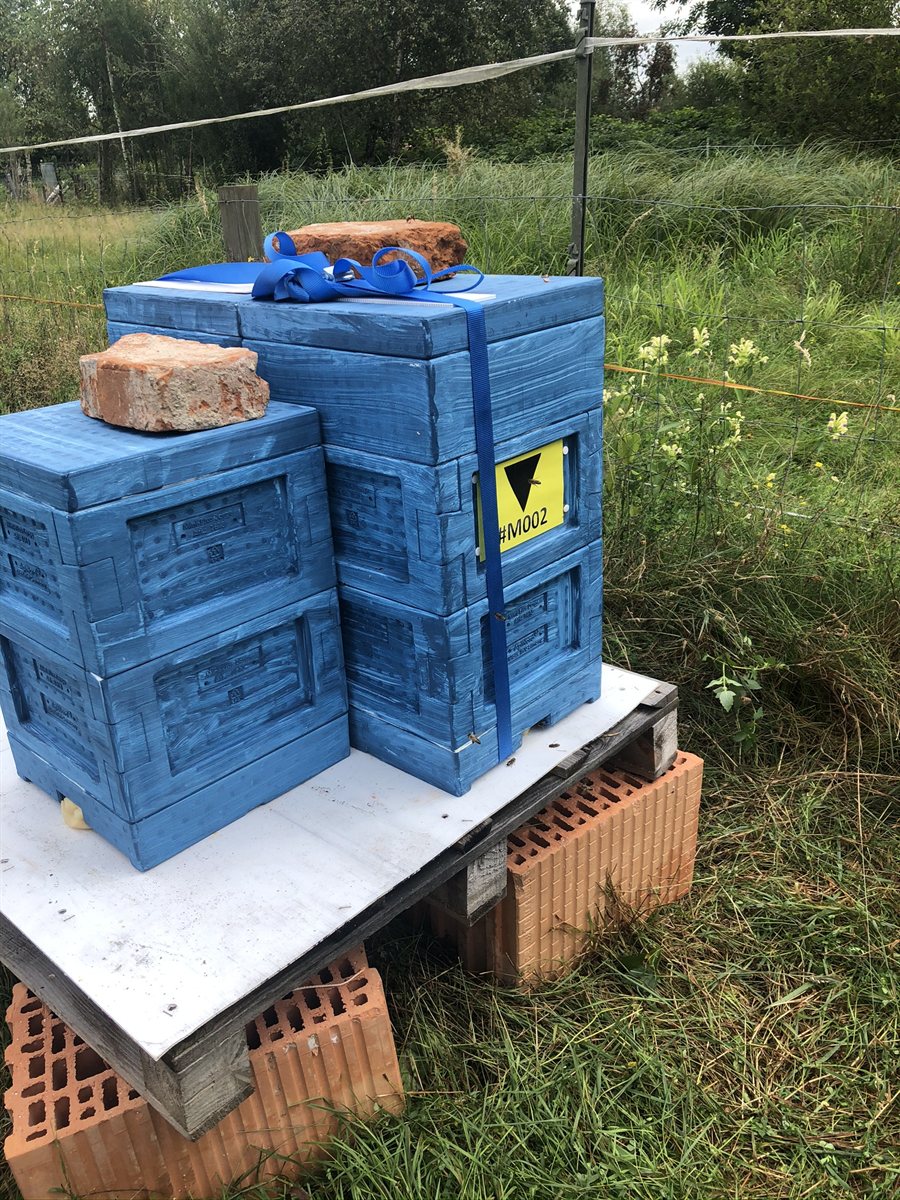
Are you interested in a queen — unmated or mated at the apiary? Then please contact me early in the year so that I can take your needs into account in my breeding plan.
Why I rescue bee swarms
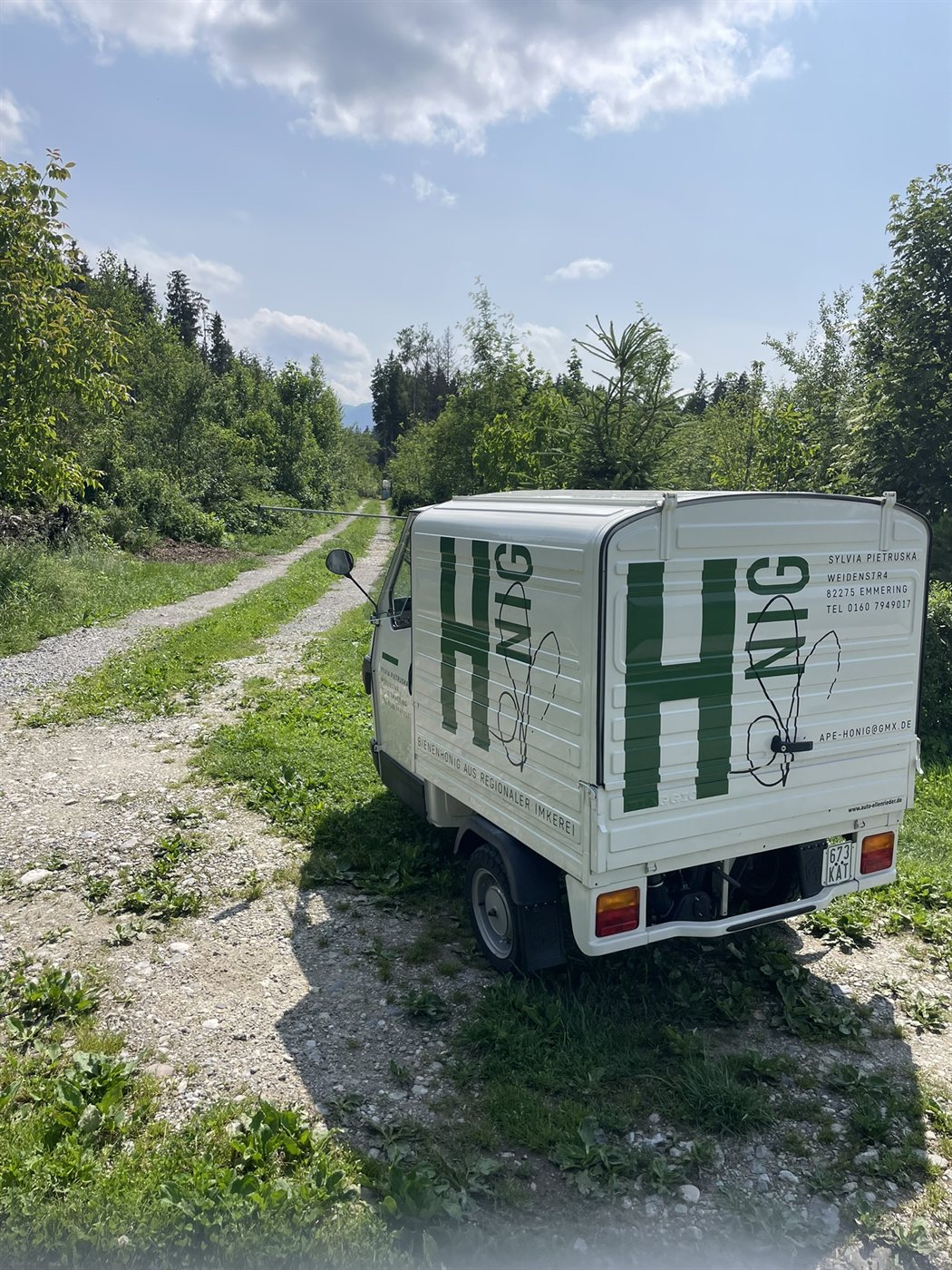
In early summer bee colonies swarm — an ancient natural spectacle and the natural multiplication of the bee colony. But our honey bees can hardly survive in the wild any more. If a swarm doesn’t find a suitable home, it often moves into crevices in façades or insulation. There the animals are usually killed later when they are “removed”.
I want to spare the bees exactly this fate. I collect swarms, look after them or pass them on to responsible beekeepers — often to new beekeepers who are delighted with their first colony.
Insights